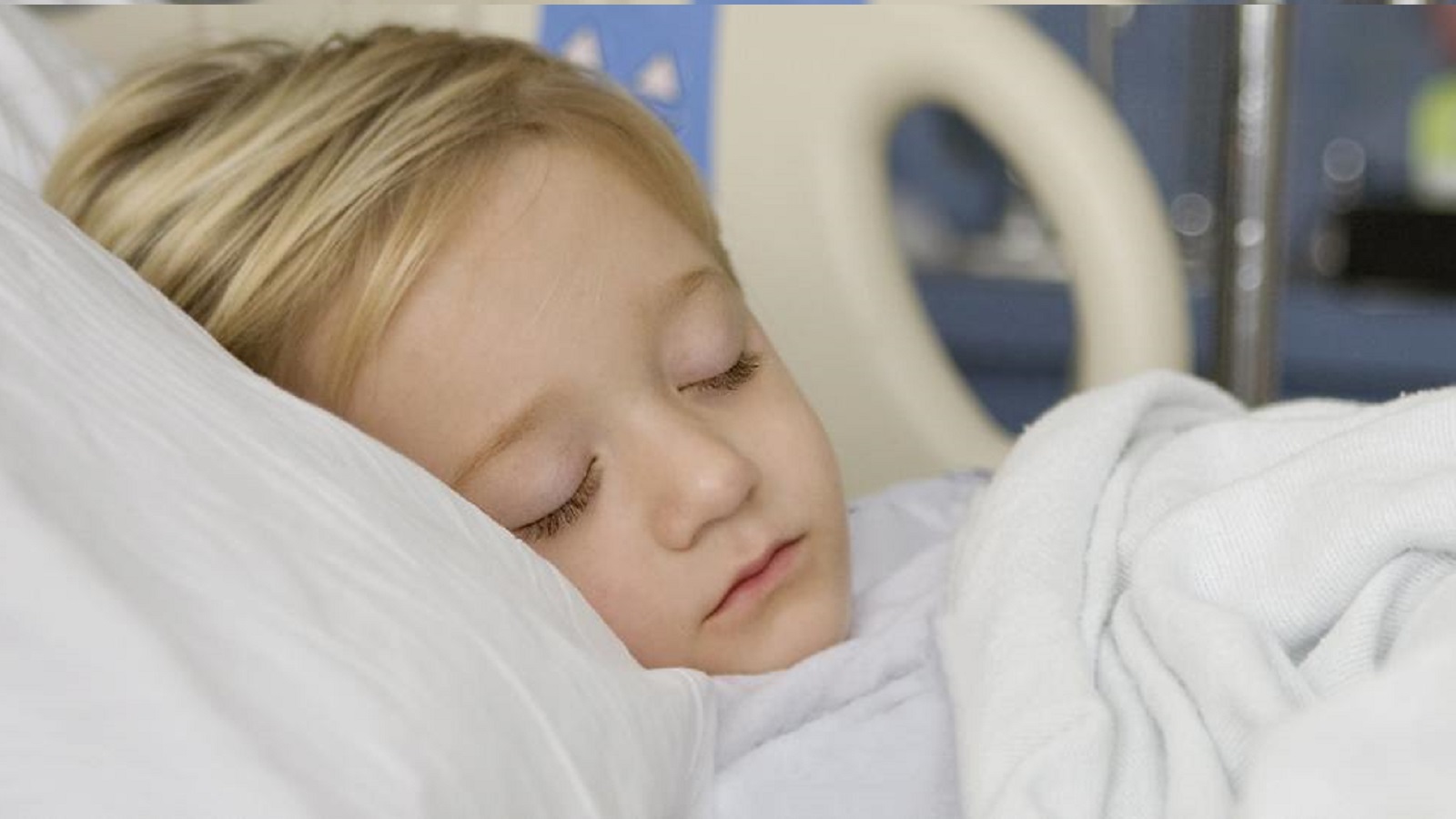
The final phase of the CloSed research project studying clonidine for sedation of children in the intensive care units is coming.
This 5-year project has been funded under the Seventh Framework Programme (FP7) to develop and study an age-appropriate intravenous clonidine formulation at 3 different strengths. To this aim, an international Consortium comprising 10 European partners has been created and coordinated by Prof Antje Neubert from the University Hospital of Erlangen.
The CloSed consortium met in Amsterdam for the final project meeting on 6 to 7 November 2018. The Dutch patient association involved in the project, VSOP (Vereniging Samenwerkende Ouder – en Patiëntenorganisaties), hosted this meeting at the Crowne Plaza Amsterdam – South.
In the Netherlands, VSOP is the national patient umbrella organisation for rare and genetic disorders representing about 70 disease-specific patient and parent associations.
During the meeting, the overall results of the project have been overviewed and discussed among all partners, starting from the clinical study outcomes, the recruitment overview and preliminary results. Notwithstanding the low rate and targeted sample, generated safety, efficacy, pharmacokinetics and pharmacogenomics data demonstrate that clonidine can be positively administered in neonates, children and adolescents from birth. Every site shared its experience, difficulties encountered in implementing such a study in critical situations, emergency setting, and the knowledge learnt.
In addition, the development of guidelines for sedation of critically ill newborns and children in the paediatric intensive care units was tackled. All investigators discussed on the available information in the literature and on the consequent need and relevance to set up, publish and disseminate such an important outcome of the project.
The consortium finally examined the best ways to communicate the project outcomes and results through scientific publications in relevant international journals or scientific conferences and debates.
This final meeting was followed by a PAB (Patient Advisory Board) meeting. PAB members had the opportunity to learn about the results developed during the 5 years of the project and to discuss about the future perspectives.