
The ARISE project has been officially presented in Bari last 4 March, in the framework of the conference Congenital Hemoglobinopaties: scientific updates and service organization for the sickle cell disease, organized by the Gianni Benzi Foundation.
Baba Inusa (Guys and St Thomas’ NHS Foundation Trust) and Fedele Bonifazi (Gianni Benzi Foundation) illustrated the main features of the project, its objectives and expected results.
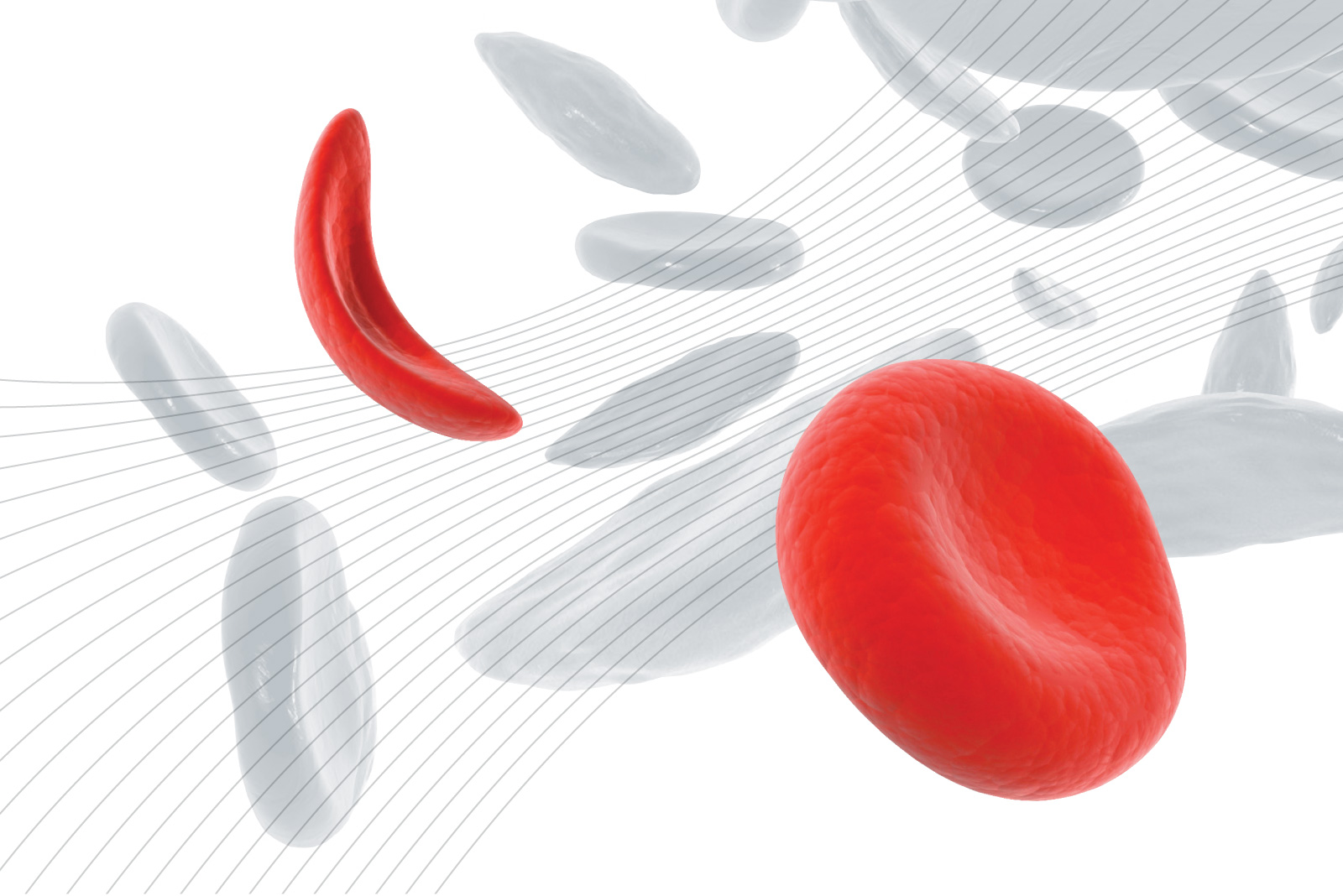
Sickle cell is a serious disease until a few decades ago almost unknown in Europe and that today, due to migratory flows to Europe and the globalization processes in the whole world, is instead considered one of the most relevant haematological emergencies due to its particular clinical and therapeutic needs.
It is a serious illness with evolution strongly dependent on the level of care and health organization. In fact, while in countries with a high level of health coverage, patients with SCD have a long survival and adequate quality of life, in low-income countries less than 50% of those born with SCD reach the age of 10 years.
These aspects are tackled in ARISE – African research and innovative initiative for sickle cell education: improving research capacity for service improvement, a research project recently approved by the EU under the H2020-MSCA-RISE-2018 program involving 15 partners from Italy, Cyprus, France, UK, Nigeria, Kenya, Lebanon and USA.
The ARISE consortium will establish an inter-agency and multidisciplinary staff exchange programme between researchers and other staff members among partners. This programme will foster sharing of best practice in Newborn Screening, diagnosis and treatment of Sickle Cell Disease (SCD) leading to improvement in overall disease outcome.
A large secondments plan will enable collaborative research and training initiatives, covering the following items: analysis of SCD prevalence in consortium member countries and identification of specific haemoglobin genotypes and phenotypic presentations; establishment of laboratory diagnosis and quality assurance systems for population screening; setting up of SCD national prevention programmes; newborn and infant screening for SCD early diagnosis; treatment protocols for the management of common SCD complications and transition from paediatric to adult care, health promotion strategies and nutrition.